The Architectural Beauty of Rooflights: Transforming Your Home's Style
Rooflights serve as a transformative element in home design. They bring an abundance of natural light, elevating the overall aesthetic and creating a sense of spaciousness. Beyond basic utility, rooflights highlight architectural details and enhance interior environments. Their selection of styles accommodates diverse tastes and preferences. As homeowners seek to balance beauty with practicality, the influence of rooflights on mood and energy efficiency becomes increasingly relevant. What considerations should one keep in mind when integrating them into a design?
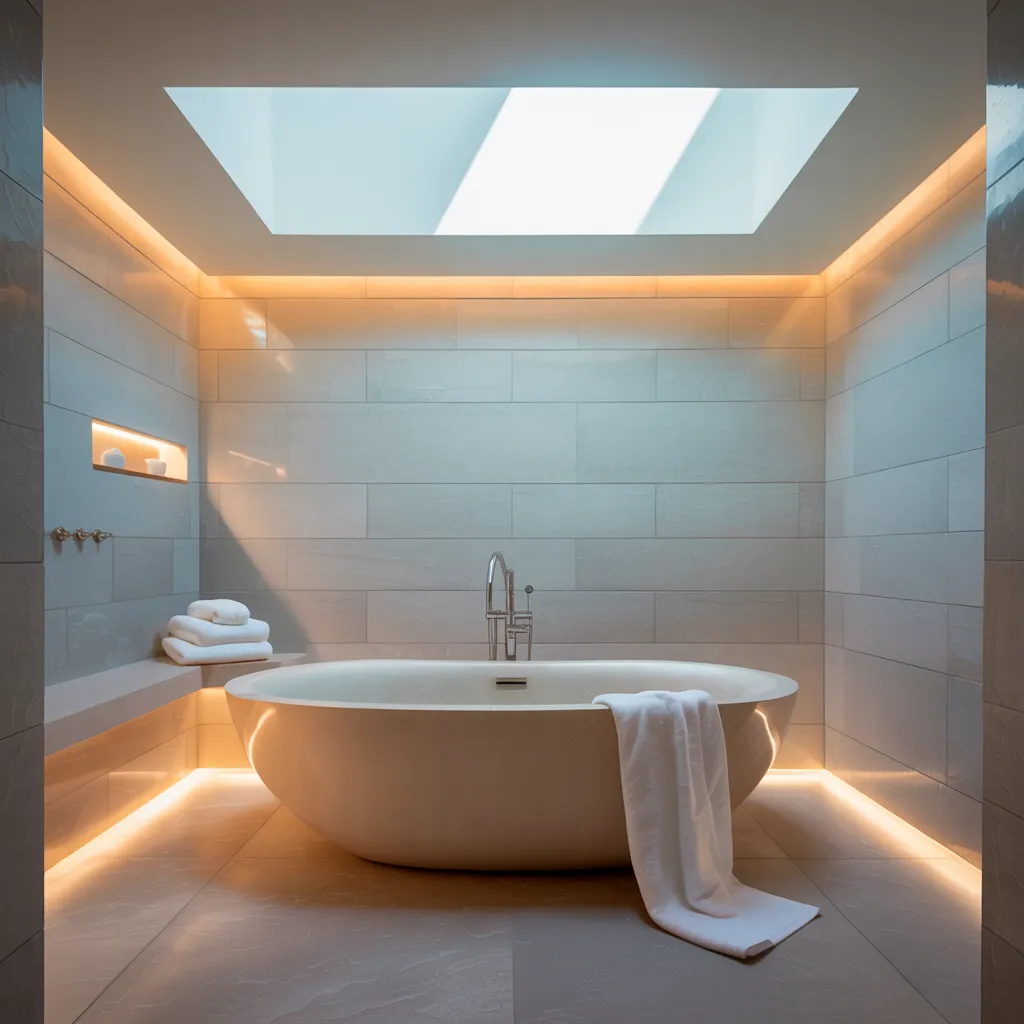
How Rooflights Improve Energy Efficiency and Cut Costs
Even though many homeowners emphasize appearance, rooflights additionally serve a vital function in enhancing energy efficiency. By permitting natural light to flood through living areas, they reduce the reliance on artificial lighting, contributing to decreased energy consumption. Carefully positioned rooflights assist in managing interior temperatures, reducing the requirement for winter heating and summer cooling. This inherent climate control not only fosters a more agreeable living space but also leads to considerable reductions in energy costs.
Moreover, today's rooflights commonly include cutting-edge glazing technologies that enhance insulation, thereby further improving energy efficiency. Such innovations limit heat loss during cold seasons and control heat gain during warm seasons. Therefore, property owners can appreciate lower energy costs and a minimised carbon footprint. Therefore, incorporating rooflights into home design serves a dual purpose: enhancing visual appeal while concurrently advancing sustainability and financial savings.
The Advantages of Natural Light in Home Design
Natural light greatly elevates home design, providing many advantages that go beyond visual appeal. It promotes a sense of well-being and boosts mood, as exposure to natural light has been linked to increased serotonin levels. This mental boost can result in enhanced productivity and creativity, rendering spaces feel more appealing and revitalizing.
Additionally, natural light can establish the perception of larger spaces, making rooms feel more open and more open. This effect can be particularly advantageous in compact homes, where utilizing every inch of space is vital. Moreover, natural light reduces dependence on artificial lighting, leading to diminished energy consumption and a smaller carbon footprint.
Integrating natural light into home design can likewise support better health, as it aids the body's circadian rhythms, encouraging improved sleep patterns. In summary, the incorporation of natural light serves as a vital component, improving both the functionality and livability of a home.
Enhancing Space and Aesthetics With Rooflights
Rooflights serve as an innovative feature in building design, delivering a substantial supply of daylight. This brightness not only improves the visual appeal of an interior space but also produces a sense of greater volume and openness. By installing rooflights, rooms can appear larger and more appealing, enhancing the overall ambiance.
Natural Light Advantages
Light is essential in improving the visual quality of interior spaces, and roof windows provide an excellent option for optimizing this aspect. By allowing natural light to flood in, they create a bright and inviting atmosphere that can transform the look and feel of an interior. Natural light not only illuminates but also highlights architectural features, textures, and colors, bringing richness and character to the space. The abundance of natural light can convert ordinary rooms into lively environments that support health and relaxation. Additionally, rooflights can lessen the need for man-made illumination, resulting in lower energy costs and a greener living space. Ultimately, the addition of rooflights elevates the aesthetic quality, making spaces feel more open, lively, and connected to the outdoors.
Visual Space Enlargement
The introduction of rooflights can dramatically change how space is perceived, generating an impression of vastness in interiors of all sizes. By allowing natural light to flood in from above, these structural elements direct the gaze skyward, enhancing the perception of height and openness. This proves especially advantageous in smaller spaces, where standard windows may be insufficient. Rooflights further establish a fluid link between interior and exterior spaces, diminishing divisions and promoting a sense of harmony. The interplay of light and shadows can further accentuate design elements, adding depth and character to the space. Overall, rooflights serve as a transformative element, elevating both aesthetic appeal and functional experience in residential design.
Different Rooflight Styles for Every Home
While considering various rooflight styles, property owners can find solutions that align with their design preferences. Conventional skylights provide timeless appeal, while modern flat rooflights provide a sleek, contemporary aesthetic. Tubular daylighting systems present an innovative solution, enhancing natural illumination in more confined spaces.
Standard Skylight Selections
Classic skylight selections give homeowners a range of designs that elevate both visual appeal and usability. These timeless designs feature the fixed skylight, which provides a simple, unobtrusive way to introduce natural light into a space. Ventilating skylights, by contrast, facilitate airflow, encouraging improved indoor air quality. Tube skylights represent another favored option, offering a streamlined design that directs sunlight from the rooftop to interior areas, making them well-suited for compact spaces. Furthermore, dome-style skylights can introduce a unique architectural feature while optimizing light intake. Each of these options complements various home styles, from rustic to modern, making certain that homeowners can identify a conventional skylight that fits their design preferences and everyday needs.
Modern Flat Rooflights
As many homeowners look to improve their living areas with natural light, today's flat rooflights present a refined and up-to-date solution that integrates naturally with diverse architectural styles. These rooflights are characterized by their minimalistic design, often featuring large glass panels that provide expansive views and abundant daylight. Offered in a wide range of sizes and layouts, they can be tailored to suit any property, from city lofts to residential suburban homes. Their slim and unobtrusive design minimizes visual disruption and elevates the overall visual charm of the home. Additionally, modern flat rooflights can be equipped with energy-efficient glazing, contributing to sustainable living. By selecting this option, homeowners are able to establish bright and airy spaces that foster a feeling of openness and harmony with the natural environment.
Tubular Natural Lighting Systems
Tubular daylighting systems offer a modern alternative to standard rooflights, providing versatility and efficiency for various architectural styles. These systems utilize a reflective tube to harness sunlight from the roof and deliver it into interior spaces, significantly enhancing natural lighting without sacrificing aesthetics. Perfect for both modern and traditional homes, tubular systems can be incorporated in locations that cannot accommodate larger rooflights. Their compact design allows for smooth integration into existing structures, preserving the integrity of a home's design. Additionally, they contribute to energy savings by decreasing dependency on artificial lighting. As homeowners pursue sustainable solutions, tubular daylighting systems emerge as a practical choice, fostering a brighter, more inviting atmosphere in all living spaces.
How Rooflights Affect Your Mood and Well-Being
In what ways do rooflights affect a person's mood and general well-being? Rooflights serve as an essential source of natural light, which has been proven to boost mood and improve mental clarity. Greater exposure to daylight assists in regulating circadian rhythms, resulting in better sleep patterns and diminished feelings of fatigue. Natural light also stimulates the production of serotonin, a hormone access now that fosters feelings of happiness and well-being.
Moreover, the visual appeal of rooflights can produce a more pleasant and expansive atmosphere, turning ordinary spaces into inspiring settings. This scenic relationship to the outdoors fosters a sense of peacefulness and can reduce tension. The balance of light and shadow within a room can additionally boost imagination and efficiency. At its core, the thoughtful integration of rooflights in a home not only enriches its design but also promotes the mental and emotional wellbeing of its inhabitants, fostering a harmonious way of living.
Essential Tips for Fitting Rooflights to Get the Most Out of Them
Maximizing the benefits of rooflights demands thoughtful planning during the installation process. The first step, selecting the ideal location, is crucial; placing rooflights where natural light can be optimized will enhance illumination and reduce reliance on artificial lighting. It is best to avoid locations that experience significant shading from surrounding trees or neighboring structures.
Furthermore, proper insulation and sealing are vital to prevent heat loss and moisture issues. Professional installation is recommended to ensure rooflights are installed securely in line with industry standards.
Moreover, the orientation and dimensions of the skylight should be taken into account to achieve the preferred light outcome while sustaining aesthetic balance with the surrounding structure. Installing automated systems can also improve practicality, allowing for automated opening and closing based on environmental conditions.
Furthermore, integrating window treatments can effectively manage privacy and glare, so that the qualities of roof lights are entirely appreciated in equal measure for style and utility.
Selecting the Perfect Rooflight for Your Design Requirements
When choosing the most suitable rooflight for individual design purposes, it is important to assess both aesthetics and functionality. Homeowners should begin by considering what evaluate what they need the rooflight to achieve. For instance, if the goal is to increase natural light, larger, fixed rooflights may be ideal. In contrast, functional opening rooflights can offer ventilation, boosting the quality of indoor air.
Furthermore, the architectural style of the home should influence the selection procedure. Contemporary designs may suit streamlined, modern rooflights, while conventional homes might suit more elaborate options. Material considerations also are critically important; finishes, glass types, and frame materials can substantially alter both performance and visual appeal.
Ultimately, the importance of energy efficiency cannot be overstated. Selecting double or triple-glazed options can contribute to better insulation, reducing energy costs. By thoroughly assessing these considerations, homeowners can find rooflights that not only align with their design vision but also elevate their overall living experience.

Questions Our Clients Often Ask
Is It Possible to Install Rooflights on Any Roofing Material?
Rooflights are suitable for installation in a range of roofing materials, including tile, slate, and metal. That said, correct installation procedures and careful consideration of structural integrity and waterproofing are vital to guarantee functionality and longevity across different materials.
How Do Rooflights Impact Home Resale Value?
Rooflights can positively influence home resale value by improving natural light and overall appearance. Future homeowners often value the extra illumination and spacious atmosphere, making properties with rooflights more attractive in busy housing markets.
What Building Regulations Apply to Rooflight Installation?
There are indeed specific building regulations that exist for rooflight installation, which differ depending on location. These rules commonly encompass safety, structural integrity, and energy efficiency. Homeowners should consult local authorities to ensure they meet all requirements before installation proceeds.
What Upkeep Is Needed for Rooflights?
Routine upkeep for rooflights involves cleaning the glass, checking seals for leaks, assessing frames for wear and damage, and confirming effective drainage. These measures help preserve functionality and aesthetic appeal while prolonging the lifespan of the rooflight.
How Can Rooflights Improve Indoor Air Quality?
Rooflights are able to enhance indoor air quality by enabling natural airflow, lowering moisture levels, and enhancing airflow. This introduction of fresh air serves to reduce indoor pollutants, promoting a healthier environment for occupants and enhancing overall well-being.